How to Choose a French Tote Bag for Travel: Size, Structure, and Material
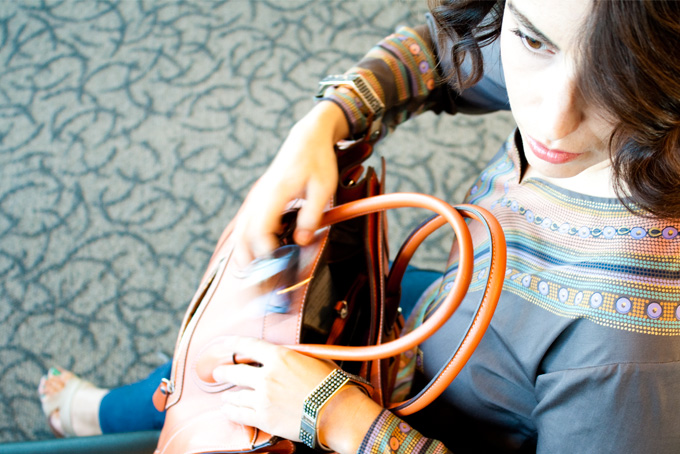
Think about the last time you walked through an airport or explored a new city on foot. Chances are, you noticed tote bags everywhere. They are easy to carry, quick to access, and flexible enough to move with the day.
But if you look a little closer, the totes that stand out tend to share something in common. They look effortless, well-shaped, and quietly put together. All the qualities of a French-style tote. That appeal is easy to understand. It often promises the best of both worlds: something stylish enough for city streets and practical enough for long travel days.
Still, choosing the right one takes more than admiring the look. Not every French tote works well for travel. To make a thoughtful choice, it helps to focus on three essentials: size, structure, and material. This article breaks each one down to help guide you.
Choosing the Right Size for Travel Days
The main purpose of a carry-all is to hold everyday essentials, which is why size becomes the foundation of a good travel tote. When the size is right, the bag feels like a natural part of your day. When it is not, even the most beautiful tote can start to feel frustrating.
To choose the right size, it helps to picture a real travel day instead of an ideal packing list. Think about what stays with you from morning to evening. For most travelers, that usually includes:
- Travel documents or a passport
- Your phone and wallet
- Sunglasses and small personal items
- A reusable water bottle
A well-sized bag should hold all of these essentials comfortably without forcing everything to stack on top of one another. For a real-life, practical reference, many travelers find that a maximum size around 54 × 30 × 23 cm offers a balanced fit. It provides enough space for daily necessities while still feeling comfortable to carry and easy to manage throughout the day.
It is also wise to look for French tote bags with interior pockets, zip sections, or a structured base. Many reputable brands, including styles from Zadig & Voltaire, build these thoughtful details into their designs. This kind of organization allows you to move through the day knowing where everything is, rather than constantly shifting items around. Over long travel days, that sense of order can quietly reduce stress and make the experience feel more relaxed.
The Structure That Makes Trips Easier
Structure is one of those details you often overlook at first, but feel very clearly by the end of a long travel day. Soft, unstructured totes can look relaxed and stylish, yet once they are filled with essentials, they tend to collapse inward. Everything slides to the bottom, straps dig into your shoulder, and finding one small item suddenly takes more effort than it should.
A bag with a gentle structure quietly supports you throughout the day. It holds its shape when set down, keeps items upright, and makes it easier to reach what you need without stopping to dig. Just as importantly, structure helps distribute weight more evenly, which matters when you are walking long distances, standing in lines, or navigating busy spaces.
When looking at structure, it helps to notice a few practical things:
- A reinforced base that helps the bag stay upright instead of folding in on itself
- Slightly firm sides that keep items from sliding into one corner
- Straps that stay balanced on the shoulder without constant adjustment
The best travel carriers usually sit in the middle. They are structured enough to stay organized, yet flexible enough to move with you. When structure is done well, the bag feels supportive rather than stiff, and you stop thinking about it entirely, which is exactly what you want while traveling.
Material Choices That Hold Up on the Road
Travel puts far more strain on a tote than everyday use ever does. Bags get brushed against coats, placed on café floors, lifted into overhead compartments, and exposed to changing weather throughout the day. Because of this constant movement, material choice plays a major role in how well a carry holds up over time.
When choosing a material, it helps to think about durability, weight, and how much care you realistically want to give the bag while traveling. Each material brings its own strengths:
- Calf leather is often favored for travel because it holds its shape well and ages gracefully. It feels polished without being overly delicate, making it suitable for frequent use.
- Suede offers a softer, more relaxed look, but it is better suited for lighter travel trips where exposure to moisture and rough surfaces is limited.
- Coated canvas is typically lighter than leather and easier to maintain, making it a practical option for travelers who prefer low upkeep.
Ultimately, the right material is one that fits your comfort level. A bag that can handle travel realities without constant worry often becomes the one you trust most.
To Wrap Up!
Choosing a French tote bag for travel is about more than aesthetics. Size affects comfort, structure supports movement, and material determines how well the bag holds up to real use. When these elements work together, the bag feels effortless to carry and easy to rely on. With a little intention, one thoughtfully chosen carry can support both your travel days and everyday routines, quietly making each feel more organized and enjoyable.