Travel Trends: How Australians and Visitors Are Exploring Landmarks in 2025
Modern travellers are looking for more than a quick vacation. They want meaningful experiences, cultural insight, and stories worth sharing. In Australia, the industry is booming. The tourism sector is forecast to contribute A$314 billion to the economy in 2025, with international visitor spending expected to rise 22% year-over-year to nearly A$39 billion.
Domestic trips already account for more than 70% of tourism spending, indicating that locals are engaging in travel just as much as international visitors. With this level of growth, the challenge is striking a balance between iconic attractions and personal values.
This article explores new trends shaping travel in 2025, how Australians and visitors are rediscovering well-known sites, and how you can make your journey more rewarding.
Sustainable and Experience-Driven Travel
Travellers today want more than passive sightseeing. They prefer authentic and responsible experiences. Visitors are increasingly choosing eco-friendly stays and guided cultural exchanges over generic hotels. This change is visible at destinations such as the Great Barrier Reef, Uluru, and Tasmania, which showcase both the natural beauty and the indigenous culture. Staying longer in these areas benefits local communities and helps protect the environment.
Beyond sustainability, work and leisure are blending. Remote work and flexible laws have created opportunities for “bleisure” trips. Travellers now extend stays to combine meetings with exploration, allowing more time at cultural landmarks instead of rushing through itineraries.
Solo travel is also gaining popularity. Nearly half of the surveyed travellers plan a solo trip in 2025. With social platforms offering safety tips and advice, independent travel has become more approachable for both men and women.
Rediscovering the Icons
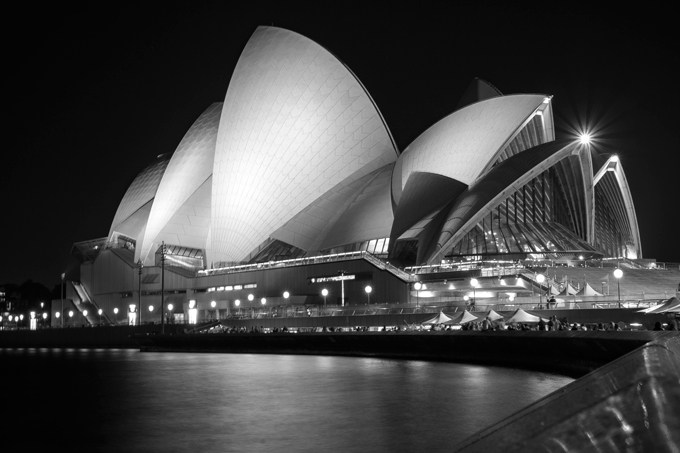
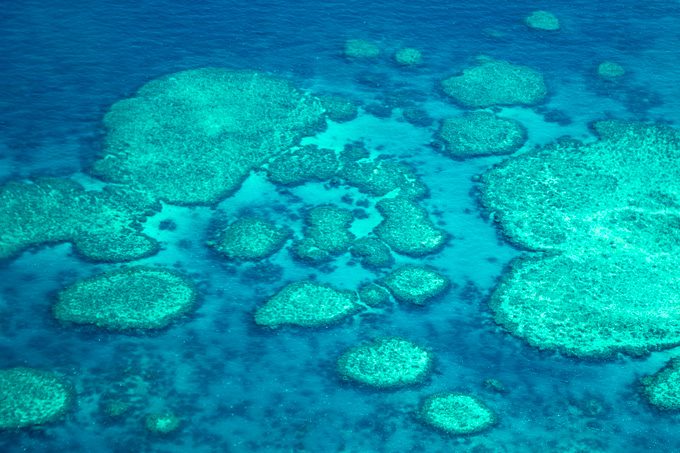
Australia’s heritage sites continue to define travel in 2025. Locals and visitors alike are embracing road trips and spending more time at iconic spots with cultural and natural importance. Exploring Australian landmarks such as the Sydney Opera House, Uluru, and the Great Barrier Reef helps travellers connect with the country’s identity. The Opera House hosts over 1,500 performances each year, while Uluru offers visitors insights into creation stories from the Anangu people. The Great Barrier Reef, stretching more than 2,300 kilometres, allows snorkelling and conservation tours that highlight its ecological value.
Other well-known stops include the Twelve Apostles along the Great Ocean Road, the Sydney Harbour Bridge, and the Blue Mountains. Together, these places show the variety that shapes the nation’s character. To help travellers get more from these journeys, resources such as Aspiredownunder share context and practical tips that make visits to these icons feel easier and more meaningful.
Planning for Value and Meaning
Travellers in 2025 are being more strategic with planning. Choosing certified eco-tourism operators or tours led by indigenous guides ensures your trip supports conservation and local communities. This not only adds value but also enriches the experience.
Slow travel is also gaining attention. Spending a week in one region, rather than rushing through several cities, allows you to absorb history, food, and culture at a deeper level. Technology can also be used wisely, with coworking spaces, flexible accommodations, and online booking systems making it easier to manage travel while working remotely.
Safety remains a top concern, especially for solo travellers. Researching neighborhoods, sharing itineraries with friends, and using group tours when needed can help maintain peace of mind.
Balancing Heritage with Modern Travel
While new trends are shaping the way people travel, the heart of exploration remains the same: connection. Famous places like the Sydney Harbour Bridge, Uluru, and Melbourne’s cultural parks remind travellers of the country’s history and diversity. These icons continue to attract visitors because they represent both the past and the present of Australia.
Travellers also share responsibility when visiting these sites. Respecting local customs, keeping natural areas clean, and learning from community voices all make the experience more meaningful. A sunrise walk at Uluru with an indigenous guide or a reef conservation tour shows that travel is about learning as much as it is about leisure. These experiences create respect for culture and nature while leaving lasting memories.
Conclusion
Travel in 2025 is more thoughtful and purposeful. Australians and visitors are combining leisure with work, choosing sustainable trips, and finding new meaning in both major icons and hidden gems. Domestic travellers continue to lead the way, showing that even familiar places can offer fresh perspectives.
The key to a rewarding journey is planning with care. Choose eco-friendly operators, respect local culture, and take time to immerse yourself in the experience. With tourism set to grow, the way we travel will shape its impact on communities and the environment. Whether it’s a road trip across the coast or a cultural weekend in Sydney, each journey should bring joy while leaving a positive footprint.